2026-10-23 ·
What to Know About Siding Permits in Hamilton County Ohio
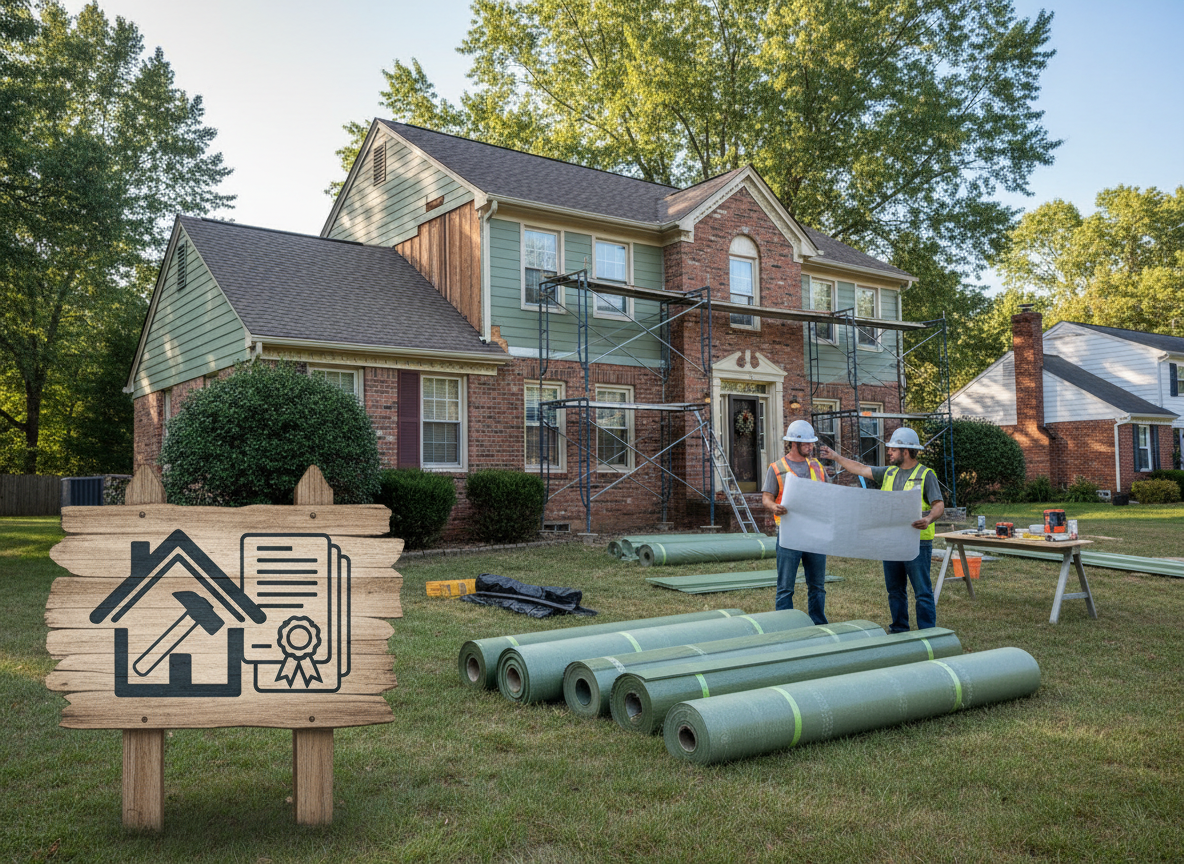
In Hamilton County Ohio, siding permits are required whenever replacement or major repair covers more than minor sections of exterior walls on homes in Anderson Township. The county building department reviews plans to confirm materials and installation meet local codes before work begins.
When Permits Are Required for Siding Replacement
Hamilton County requires permits for full or partial siding replacement on residential structures when the work affects structural elements or exceeds routine maintenance. Neighborhoods such as Cherry Grove and Mount Washington feature many homes built between the 1950s and 1980s that now need updates due to weathering from freeze-thaw cycles and heavy summer humidity. Owners planning changes to vinyl, fiber cement, or wood siding must submit details showing the new materials will handle these conditions. Skipping the permit step can lead to stop-work orders during inspections or complications when selling the property later. The process protects both the homeowner and future buyers by documenting that the exterior meets current standards for wind resistance and moisture control.
How to Apply Through Hamilton County Channels
Applications start at the Hamilton County Building Department where residents submit site plans, material specifications, and contractor information. Forms can be completed online or in person, and processing usually takes one to two weeks once all documents are received. Properties in areas like Newtown or Withamsville often need extra review if the home sits on sloped terrain that affects drainage around the foundation. Homeowners should include photos of existing conditions and note any prior repairs. Siding replacement contractors familiar with county submissions can prepare the packet correctly the first time, reducing delays. Fees are based on project scope rather than a flat rate, and applicants receive a permit placard that must remain visible from the street throughout the job.
Inspections and Compliance Steps
After the permit is issued, county inspectors visit at key stages such as after sheathing is exposed and again when the new siding is complete. Inspectors check for proper flashing around windows, correct nailing patterns, and adequate ventilation to prevent moisture buildup common in Cincinnati's climate. Homes along Clough Pike or in Turpin Hills may face additional scrutiny if the lot has poor drainage that could push water against the foundation. Passing final inspection closes the permit and provides documentation for insurance or resale. Keeping records of the permit number and inspection dates helps avoid future issues if the county follows up on complaints from neighbors.
Local Realities for Anderson Township Homes
Anderson Township housing stock includes many split-level and ranch homes where siding transitions meet roofs or walkout basements, creating extra permit review points around those junctions. Seasonal weather patterns, including winter ice dams and spring rains, influence how inspectors evaluate attachment methods and underlayment choices. Tips for choosing siding materials that handle Cincinnati humidity offers guidance on products that perform well here. Owners in Beechmont or Forestville often coordinate permit timing with other exterior work to limit repeated inspections. The county emphasizes documentation over speed, so planning submissions several weeks ahead of desired start dates prevents weather-related setbacks during peak seasons.